Ebco: Hardware That Makes Spaces Feel Right, Without Calling Attention to Itself
Most homes and workspaces don’t fail because of bad design. They struggle because everyday movements weren’t thought through. A drawer that resists. A shutter that feels heavy. A wardrobe that sounds louder with time.
These are small things, but they add up. And over years of use, they shape how a space feels far more than finishes ever will. This is the quieter layer of design where Ebco has built its strength — not through statements, but through consistency.
Built on Engineering Before Interiors Became an Industry
Ebco’s origins go back to 1963, when the company operated as a precision Tool Room. Long before modular kitchens or ergonomic workstations became mainstream in India, Ebco was already working in environments where accuracy and repeatability were non-negotiable.
Its early work included manufacturing critical components for Ordnance Factories — an experience that shaped the company’s approach to materials, tolerances, and process discipline. When Ebco entered the furniture hardware space in 1987, it carried this engineering mindset with it.
That history matters. It explains why Ebco products tend to feel composed rather than flashy, and why their performance holds steady long after installation.
A Product Range Shaped by Use, Not Catalogues
Over time, Ebco’s hardware portfolio expanded across residential, office, retail, and commercial applications. The range today covers:
- Drawer slides and hinges
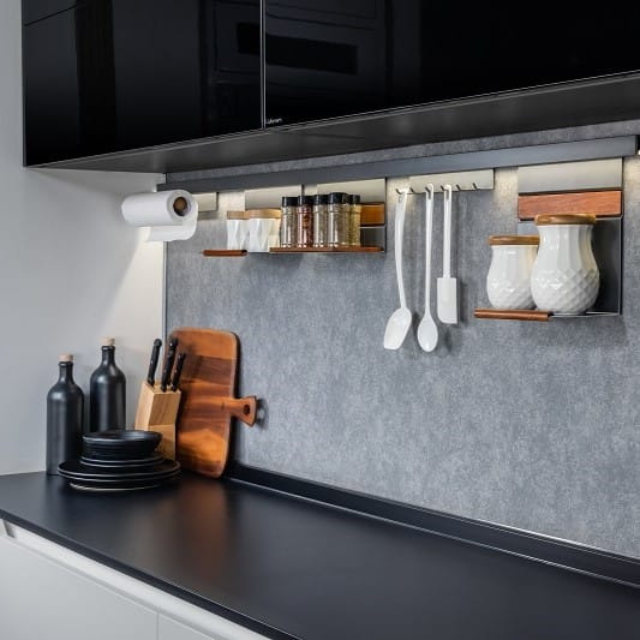
- Kitchen systems and accessories
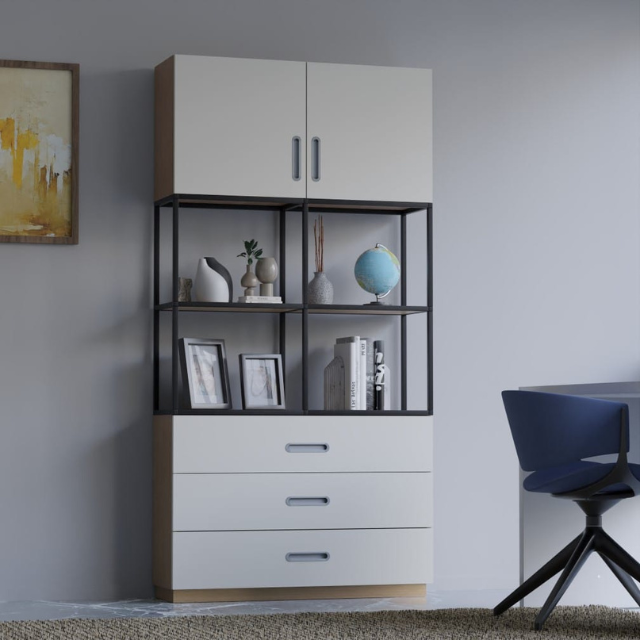
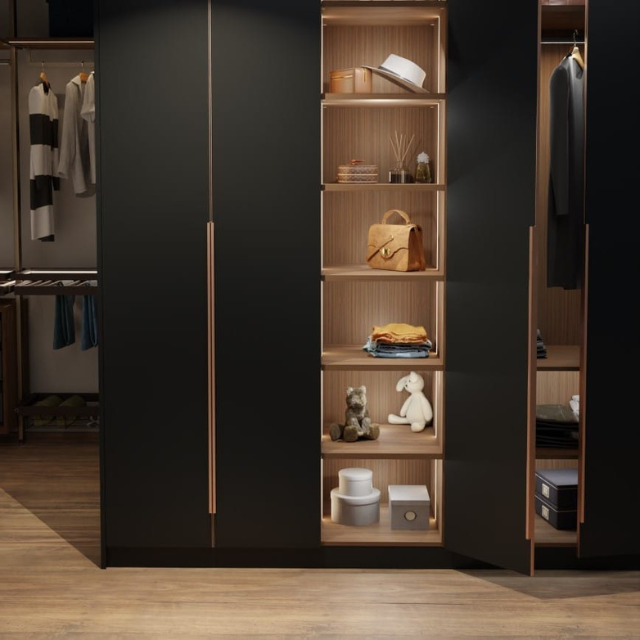
- Wardrobe, bed, and storage fittings
- Office furniture and ergonomic hardware
- Window, door, and architectural hardware
- Furniture locks, handles, aluminium profiles, and LED furniture lighting
What connects these categories isn’t volume, but intent. Each system is designed around how people actually interact with furniture — opening, closing, reaching, adjusting — often several times a day, every day.
The emphasis is not on adding features, but on removing friction.
How Ebco Designs and Tests for Longevity
Ebco’s product development process is built around in-house capability. Design teams work with advanced 3D modelling tools and CNC machining to prototype and refine products before they reach production.
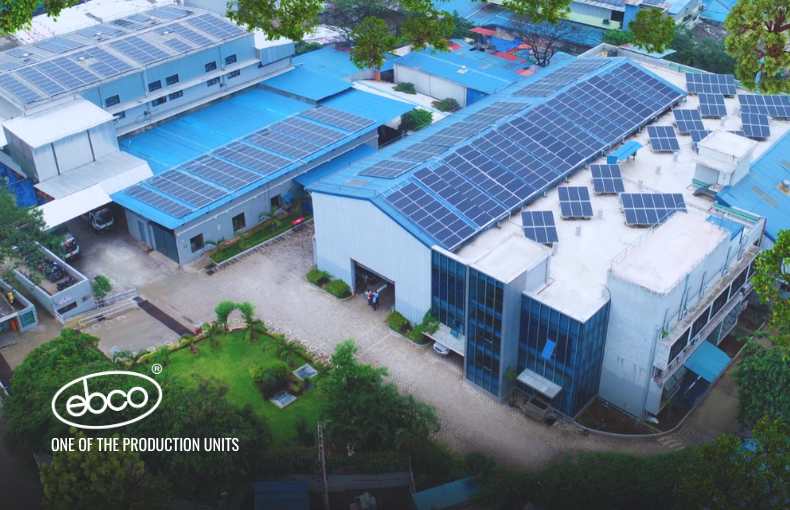
Manufacturing takes place at facilities in Vasai and Palghar, Maharashtra, where roll-forming and sheet-metal pressing technologies are used for consistency and strength. Products are subjected to repeated cycle tests, load tests, and functional checks at the Quality Assurance Laboratory to assess how they perform over time, not just at installation.
This structured approach allows Ebco to introduce new products regularly while keeping reliability predictable — an important balance in hardware that is expected to last for years.
The company follows internationally recognised systems, including ISO 9001:2015, ISO 14001:2015, ISO 45001:2018, and BIFMA compliance for applicable categories. These frameworks support scale, but more importantly, they keep variation under control.
WorkSmart and LivSmart: Clear Thinking, Applied Differently
Ebco organises its innovation around two broad usage contexts.
WorkSmart focuses on office environments. Monitor arms, height-adjustable desk systems, keyboard stations, cable organisers, and CPU holders are designed to support better posture and cleaner workspaces. The intention is practical: reduce strain, reduce clutter, and allow furniture to adapt to different users.
LivSmart addresses residential spaces, especially kitchens and bedrooms. Drawer systems, corner mechanisms, overhead solutions, waste bins, wardrobe sliding systems, electric bed fittings, and integrated furniture lighting are developed to make everyday routines smoother and less effort-driven.
Across both segments, the design language stays restrained. The hardware does its job without needing explanation.
Environmental Responsibility as an Operating Practice
Ebco’s sustainability efforts are closely tied to how its facilities function. Manufacturing operations incorporate rainwater harvesting systems, solar power usage, and organised waste management practices covering water, bio-waste, and e-waste.
The factory campuses also include landscaped areas with flowering plants and fruit-bearing trees — not as decorative elements, but as part of an approach that treats industrial spaces as long-term environments rather than temporary sites.
This operational mindset reflects a broader belief: that manufacturing can remain productive while still being responsible to its surroundings.
Why Ebco Makes Sense in an Experience-Led Environment
At Senbaga Life Spaces in Chromepet, Chennai, the focus has always been on helping people understand what they are choosing, not rushing them into decisions. Ebco fits naturally into this approach.
Its hardware doesn’t aim to impress in the first few seconds. Instead, its value becomes clear through repeated use — the ease of movement, the absence of noise, the way systems continue to behave as expected over time.
When customers are able to see systems in use, feel the difference in motion, and understand how hardware affects everyday living — within a physical experience center setting in South Chennai — choices become easier and more confident.Good hardware rarely announces itself.
It simply supports daily life, quietly and reliably, long after the excitement of a new space has settled.