How Many Bathroom Accessories Do You Really Need? A Practical Guide
Walk into any modern bathroom showroom, and it’s easy to get overwhelmed. From towel rings and soap dispensers to robe hooks, tissue holders, shelves, and designer mirrors, the choices seem endless. While beautifully coordinated accessories can certainly elevate the look of a bathroom, many homeowners are left wondering a simple question: How many bathroom accessories do I actually need?
The answer isn’t about buying everything that’s available. It’s about choosing accessories that make your bathroom more comfortable, organized, and practical for everyday use. A well-planned bathroom isn’t defined by the number of fittings on the wall, but by how thoughtfully every element serves a purpose.
Whether you’re building a new home or renovating an existing one, understanding which accessories are essential and which are optional can help you create a bathroom that’s both elegant and functional.
Start with the Way You Use Your Bathroom
Every family has different habits, and that’s where bathroom planning should begin. A guest bathroom used occasionally doesn’t require the same accessories as a master bathroom used multiple times a day by two or more people. Similarly, a children’s bathroom may need different solutions compared to one designed for senior family members.
Instead of selecting accessories because they look attractive in a catalogue, think about your daily routine. Where do you naturally reach for your towel after a shower? Where would you place your toothbrush so it’s easy to access but doesn’t clutter the countertop? Do you need additional storage for toiletries, or do you prefer a clean, minimalist look?
When accessories are planned around everyday habits, the bathroom becomes more intuitive to use. Small conveniences often make the biggest difference over the years.
The Essential Bathroom Accessories Every Home Should Have
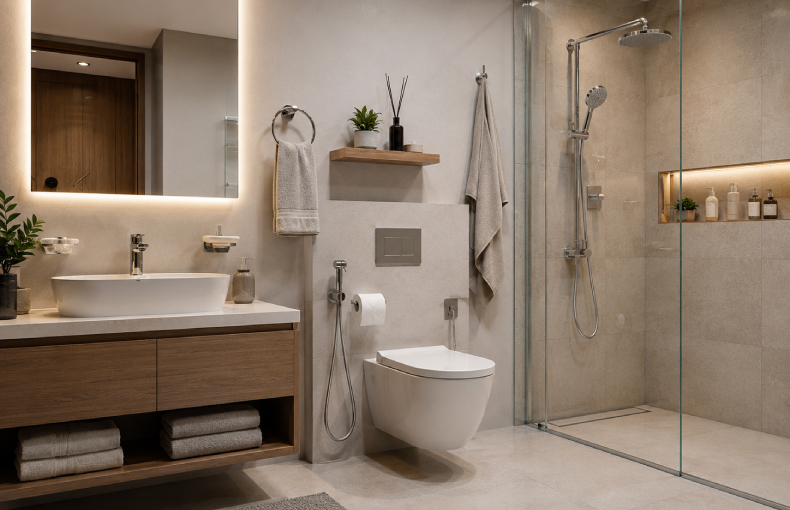
Every bathroom should include a few basic accessories that contribute to hygiene, convenience, and organization.
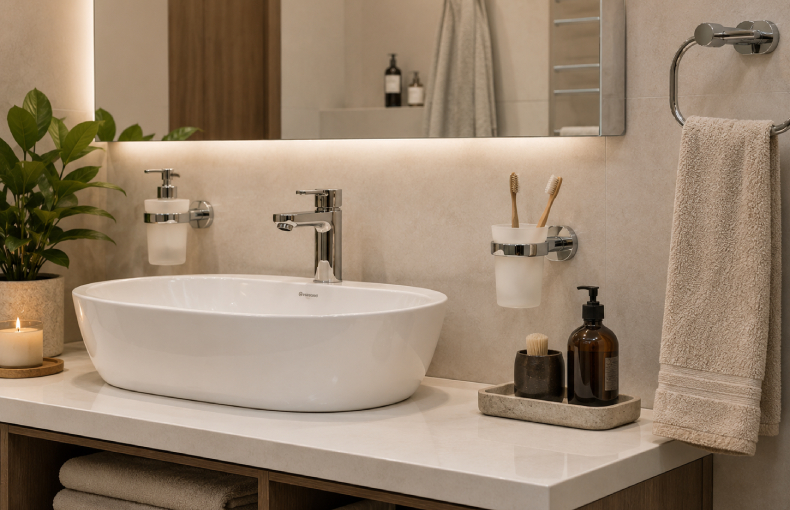
A towel bar or towel ring is one of the first necessities. It keeps towels dry, accessible, and prevents them from being left on countertops or doors. Similarly, a soap dish or liquid soap dispenser helps maintain cleanliness around the wash basin while enhancing the overall appearance of the space.
A toilet paper holder is another obvious essential, but its placement is equally important. Positioned within comfortable reach, it improves usability without disrupting the bathroom’s layout.
Mirror cabinets or storage shelves are often overlooked during planning, yet they help keep everyday items like toothbrushes, skincare products, medicines, and grooming essentials neatly organized instead of scattered across the vanity.
Even something as simple as a robe hook near the shower area can make daily routines much more convenient. These small details may seem insignificant individually, but together they contribute to a bathroom that feels thoughtfully designed.
More Accessories Don’t Always Mean a Better Bathroom
One of the most common mistakes homeowners make is installing every available accessory simply because it comes as part of a matching collection.
The result is often a bathroom that feels crowded rather than luxurious. Walls become filled with fittings that are rarely used, cleaning becomes more difficult, and the overall design loses its sense of openness.
A premium bathroom is defined by balance. Each accessory should have a clear purpose and sufficient space around it. This creates a cleaner aesthetic while making maintenance easier.
Minimalism doesn’t mean sacrificing functionality. It means choosing only the accessories that genuinely improve your everyday experience.
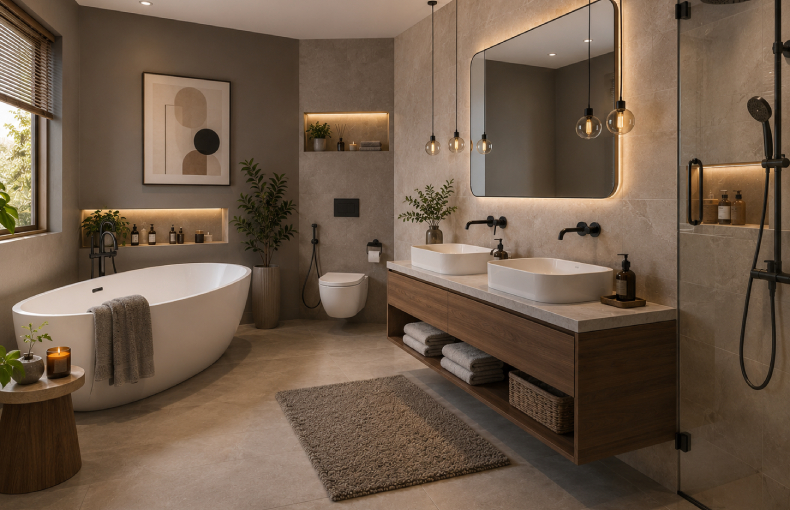
Think About Placement Before Installation
Even the highest-quality bathroom accessories can become frustrating if they’re installed in the wrong location.
A towel holder placed too far from the shower forces you to walk across a wet floor. A toothbrush holder installed too close to the basin may constantly get splashed with water. A robe hook positioned behind the bathroom door might remain hidden and inconvenient to use.
These decisions are best made during the planning stage rather than after the tiles are installed. Visualizing how you move through the bathroom helps determine the ideal position for every accessory.
Professional planning ensures that functionality and aesthetics work together rather than competing with each other.
Quality Matters More Than Quantity
Bathroom accessories are used every single day, often multiple times. Investing in durable, well-engineered products pays off over the long term.
Premium finishes resist corrosion, scratches, and discoloration even in humid environments. Better-quality hinges, brackets, and mounting systems also provide greater stability, ensuring accessories remain secure for years instead of becoming loose over time.
Rather than purchasing a larger number of inexpensive fittings, many homeowners find greater satisfaction in selecting fewer accessories that offer better quality, timeless design, and lasting performance.
Matching Accessories Create a Cohesive Look
One of the easiest ways to give a bathroom a refined appearance is by maintaining consistency across all accessories.
Matching finishes, coordinated shapes, and complementary designs create visual harmony. Whether you prefer polished chrome, brushed nickel, matte black, or another finish, keeping the entire collection consistent helps the bathroom feel professionally designed instead of assembled piece by piece over time.
This doesn’t mean every accessory needs to be identical, but they should work together to create a unified design language.
Choosing the Right Accessories Becomes Easier When You See Them Together
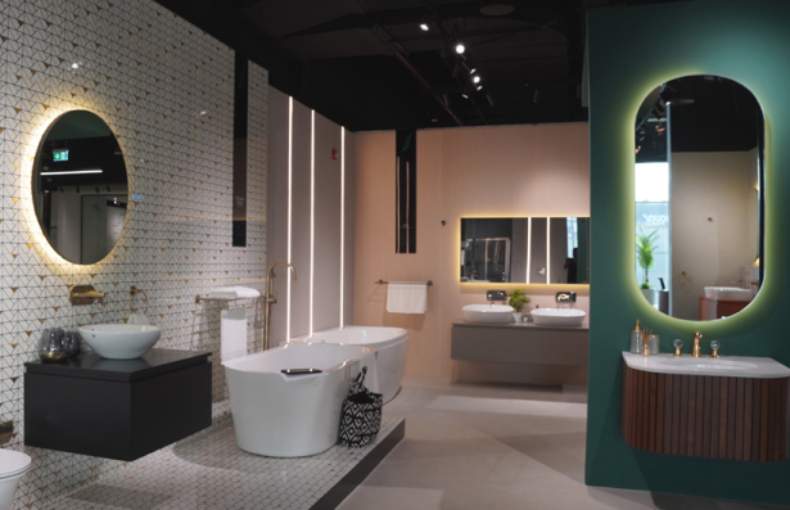
Browsing products online is useful for gathering ideas, but photographs rarely convey important details such as finish quality, proportions, or how different accessories complement one another.
Seeing complete bathroom setups in person allows homeowners to compare styles, understand functionality, and visualize how each accessory fits into a real-life space. It also provides an opportunity to receive guidance based on the size of the bathroom, the family’s lifestyle, and long-term maintenance considerations.
Making these decisions with expert advice often prevents costly mistakes while ensuring every accessory contributes meaningfully to the overall design.
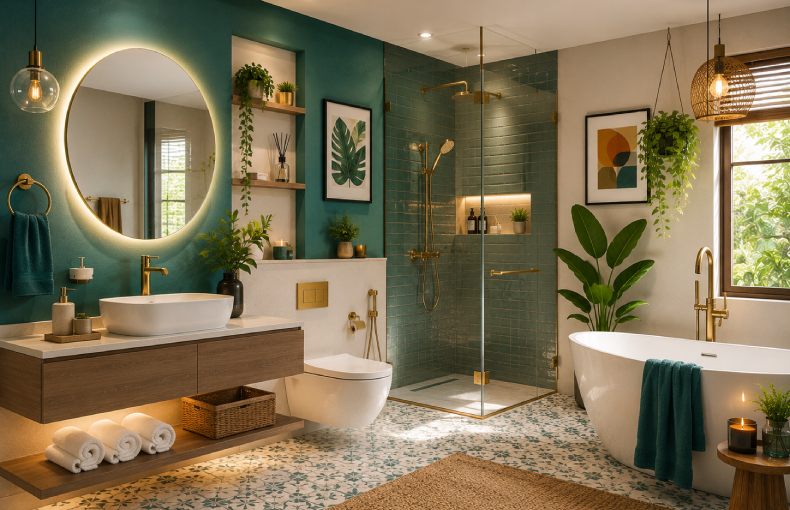
The Right Number Is the Number You’ll Actually Use
There is no universal checklist that says every bathroom must have eight, ten, or twelve accessories. The right number depends entirely on your space, your daily routine, and your personal preferences.
Instead of asking, “How many bathroom accessories should I buy?”, a better question is, “Which accessories will genuinely make my bathroom more comfortable and functional?”
When every fitting has a purpose, every detail feels intentional, and every product complements the overall design, the bathroom becomes a space you’ll appreciate every single day. After all, thoughtful planning—not simply adding more accessories—is what transforms an ordinary bathroom into one that’s practical, elegant, and built to last.
Visit Senbaga’s Experience Center in Chromepet Chennai to be able to see, touch and feel the products before you buy.
Location:
21, 6th Main Rd, nearby Ramana Children’s Hospital, New Colony, Chromepet, Tambaram, Tamil Nadu 600044